Navigation state-estimation firmware
STM32-based telemetry and state-estimation work using a 15-state Extended Kalman Filter, six-axis inertial sensing, and GPS data at 500 Hz with sub-5 ms processing latency.
Ellis Dynamics develops specialized automotive engineering and countermeasure systems from a common foundation in embedded electronics, controls, instrumentation, and disciplined hardware testing. Automotive work is moving toward performance calibration, ECU tuning, custom electrical integration, and electrified vehicle systems, while the countermeasure division focuses current development on GPS-denied navigation and maintains resilient communications and predictive tracking as long-range research roadmaps.
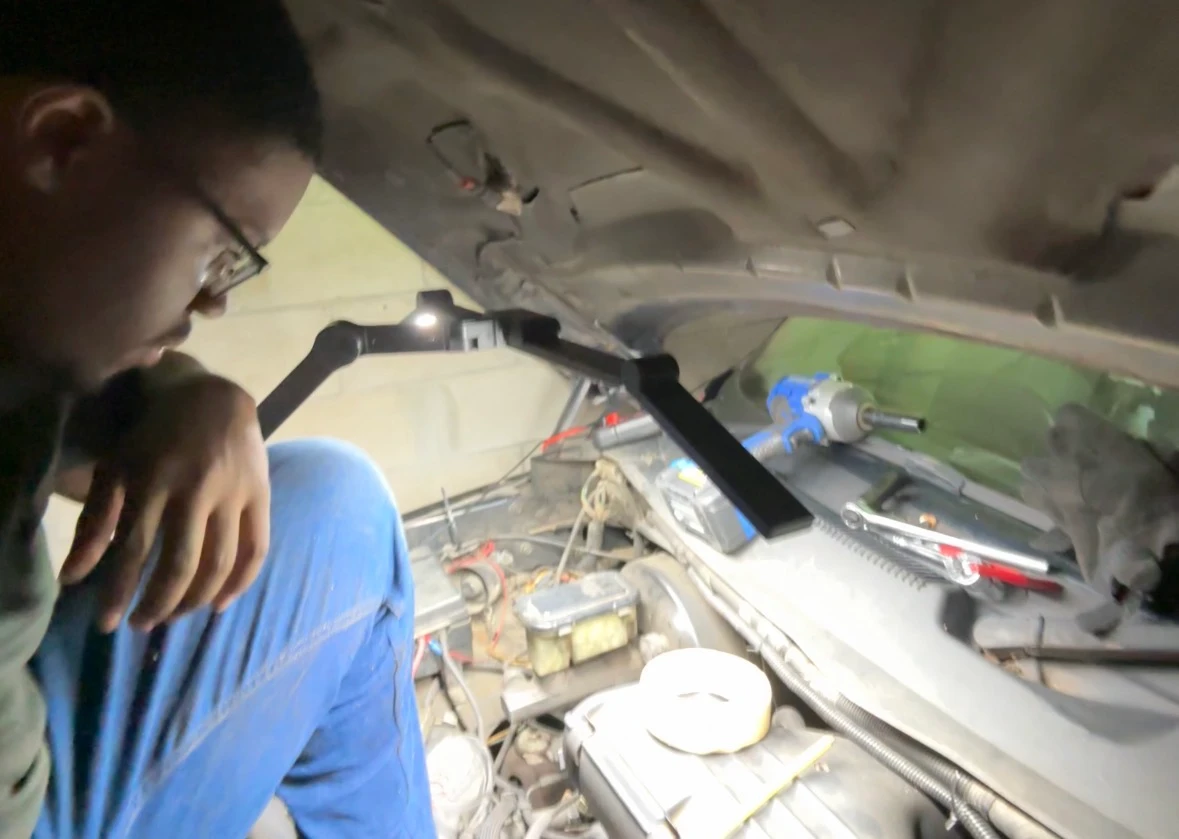
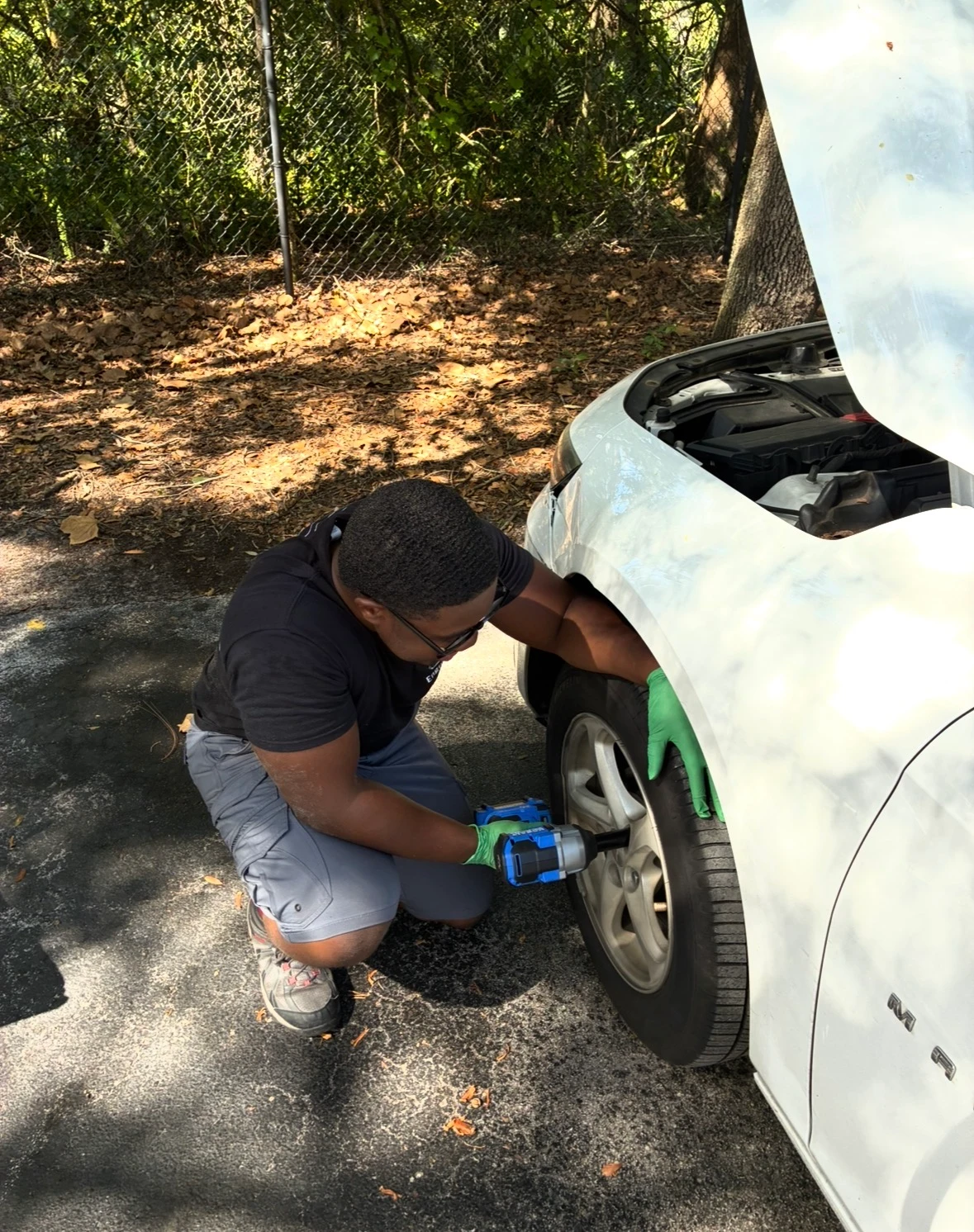
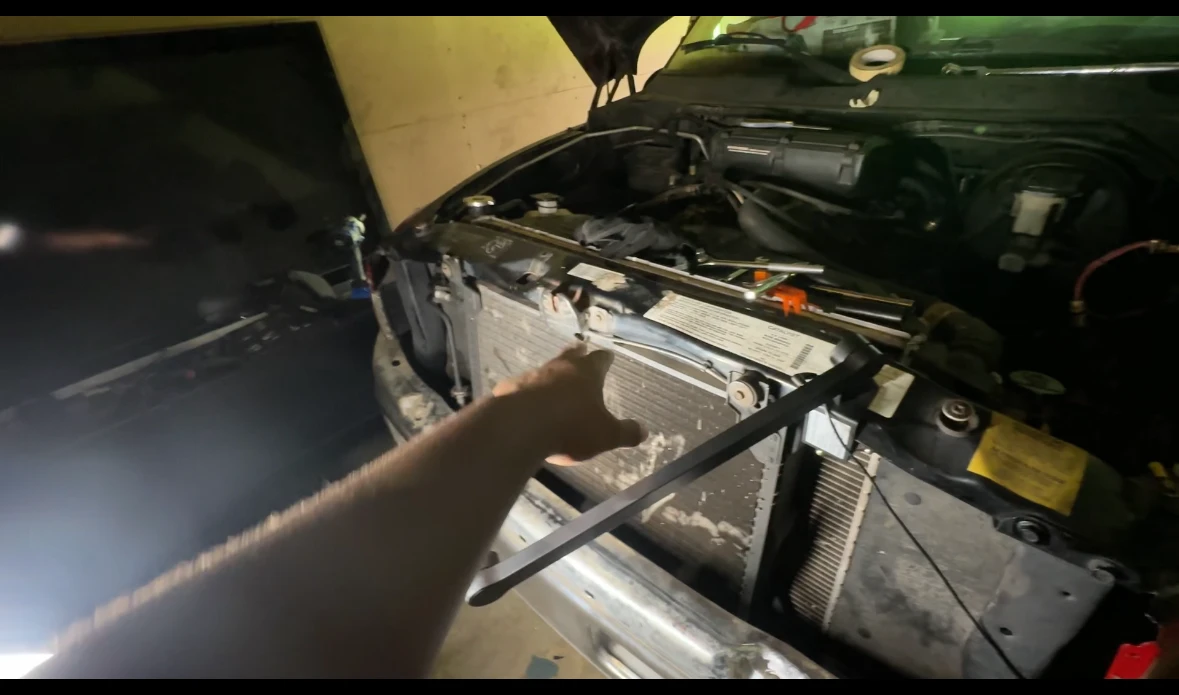
Ellis Dynamics is transitioning away from a general mobile-mechanic model and toward specialized, engineering-led automotive work that scales with deeper technical capability.
The core direction is performance engineering, calibration and controls, custom electrical systems, and EV / hybrid integration. Routine maintenance and diagnostics remain available selectively by request, but they no longer define the business.
The long-term automotive model is not general repair at scale. It is systems work: instrumentation, calibration, electronics, controls, and engineering decisions backed by measured data.
Vehicle instrumentation, data acquisition, system evaluation, drivability analysis, and performance-oriented component integration built around repeatable measurement instead of guesswork.
Fuel and ignition calibration, closed-loop behavior, telemetry review, and control strategy development. Bench work includes Hardware-in-the-Loop engine simulation and calibration workflows.
Harnesses, sensors, modules, fused power distribution, relays, CAN-connected devices, displays, infotainment, and aftermarket integrations designed for reliability and serviceability.
A developing capability centered on low-voltage controls, BMS telemetry, charging, diagnostics, and future electrified powertrain integration. High-voltage work expands only as equipment, training, and procedures support it.
Current bench work includes a Hardware-in-the-Loop engine simulator using open-source ECU firmware and ArduStim signal generators to exercise ignition and fuel-map calibration workflows in TunerStudio before moving deeper into vehicle-side tuning.
General mobile service concludes at the end of 2026. Ellis Dynamics is shifting toward specialized automotive engineering rather than operating as an on-demand mobile repair business.
Select maintenance, repair, and diagnostic work remains available by request. Send the vehicle, concern, and requested scope; availability and pricing are confirmed before work is scheduled.
Tampa Bay by appointment. Travel, access requirements, and project complexity are considered in the quote.
Diagnostic / inspection session — $75
Initial code scan, basic electrical / charging checks, visual mechanical review, and symptom-driven
troubleshooting within the booked session.
Oil & filter service — $35 labor
Customer-supplied oil and filter. Additional access or seized components are quoted before proceeding.
Brake pads — $120 labor per axle
Includes inspection of rotors, calipers, slide hardware, hoses, and visible brake-fluid condition.
Pads + rotors — $175 labor per axle
Includes hardware inspection and a road test when appropriate and safe.
Not on Instagram? edon4585@gmail.com works as well.
Complex electrical architecture and control systems that general shops can't touch.
3D fuel and ignition map calibration, boost target control, and transient response tuning. Optimized through wideband AFR logs, knock spectrum analysis, and telemetry. Never by ear.
Spec-built wiring harness design and IPC-compliant fabrication. Aftermarket sensor and module integration, custom CAN bus data displays, and OEM feature retrofits engineered for long-term reliability.
Low-voltage control architecture diagnostics, BMS telemetry integration, charging equipment installation, and future electrified powertrain development as equipment and procedures support it.
Countermeasure development is centered on resilient state estimation and GPS-denied navigation, with capabilities advanced only as bench results support them. Hardened data links and predictive target tracking remain long-range roadmap programs rather than current near-term build priorities.
Current development centers on STM32-based state estimation, Extended Kalman Filtering, and six-axis inertial sensing for navigation through degraded or denied GPS conditions.
ACTIVE DEVELOPMENTResilient communications architecture designed to maintain telemetry and coordination links under active RF jamming.
LONG-RANGE ROADMAPMulti sensor fusion across EO and IR with precision feedforward gimbal control, providing the foundational tracking layer for counter UAS platforms.
LONG-RANGE ROADMAPStandalone inertial dead reckoning hardware that keeps platform position awareness through complete GPS denial.
Future multi-sensor state estimation and gimbal-control research intended to build a predictive tracking layer after the navigation program is substantially matured.
Future integration of resilient navigation, communications, and optical tracking into a common test architecture after the individual subsystems are independently validated.
Program and partnership inquiries: edon4585@gmail.com
STM32-based telemetry and state-estimation work using a 15-state Extended Kalman Filter, six-axis inertial sensing, and GPS data at 500 Hz with sub-5 ms processing latency.
Benchtop HIL engine simulation using open-source ECU firmware and ArduStim signal generation to exercise 3D ignition tables and closed-loop fuel-map calibration in TunerStudio.
ESP32 power-quality node with RMS voltage, current, and power-factor measurement below 3% error, sub-100 ms FFT-based THD detection, and AES-128 / TLS 1.2 secured MQTT telemetry.
Proxmox, MATLAB, Python, and Linux environment used for load-flow and service-recovery simulation, including modeled restoration strategies that improved simulated recovery time by 22%.
ESP32-based PDU with PWM trip logic and active RC filtering, bench-validated with digital oscilloscopes for stability and noise reduction.
Prior electrical-engineering internship experience fabricating and troubleshooting tactical communications wiring harnesses to IPC-A-610 Class 3 standards.
Competitive Future Strategist cohort with engagements across the Pentagon, Capitol Hill, and CNAS, providing institutional context for resilient navigation, communications, and electronic-warfare research.
Dontavious Ellis. B.S. Electrical Engineering, University of South Florida, expected May 2028. Distribution Operations intern at Tampa Electric, with prior electrical engineering experience in tactical communications hardware at Orbital Corporation. Founder and lead engineer of Ellis Dynamics.